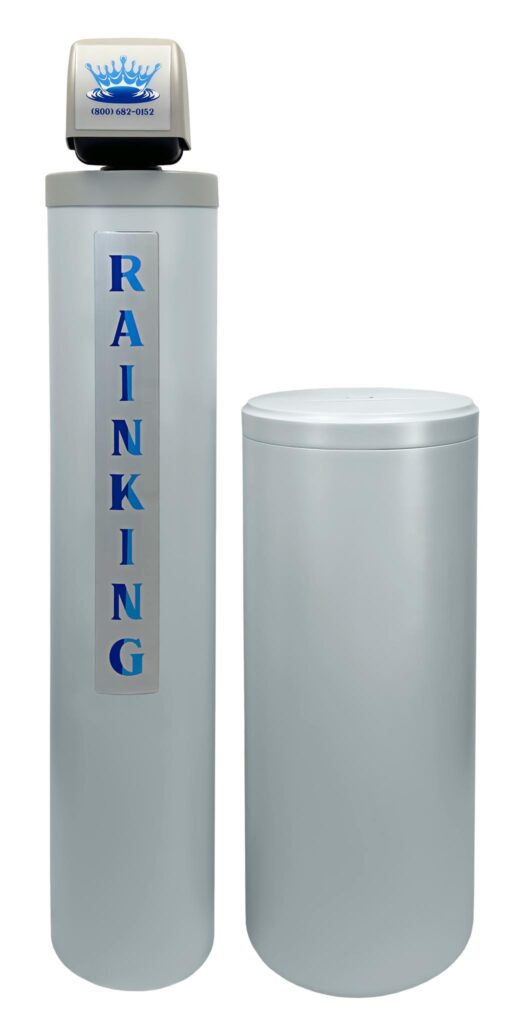
Salt free water softener systems from Rainking Systems are whole home conditioners that help prevent scale buildup on pipes, fixtures, and tankless water heaters without using salt. Instead of removing hardness minerals, they change how those minerals behave so they are less likely to stick to surfaces and form hard scale.
If you want scale prevention and tankless water heater protection without hauling salt bags or dealing with brine discharge, a salt free system is a strong alternative to a traditional softener. This type of technology is focused on controlling scale, protecting plumbing and equipment, and lowering maintenance on critical fixtures like tankless heaters, ice makers, and dishwashers. The result is a low maintenance solution for homes that want better performance from their water using appliances and a simpler ownership experience.
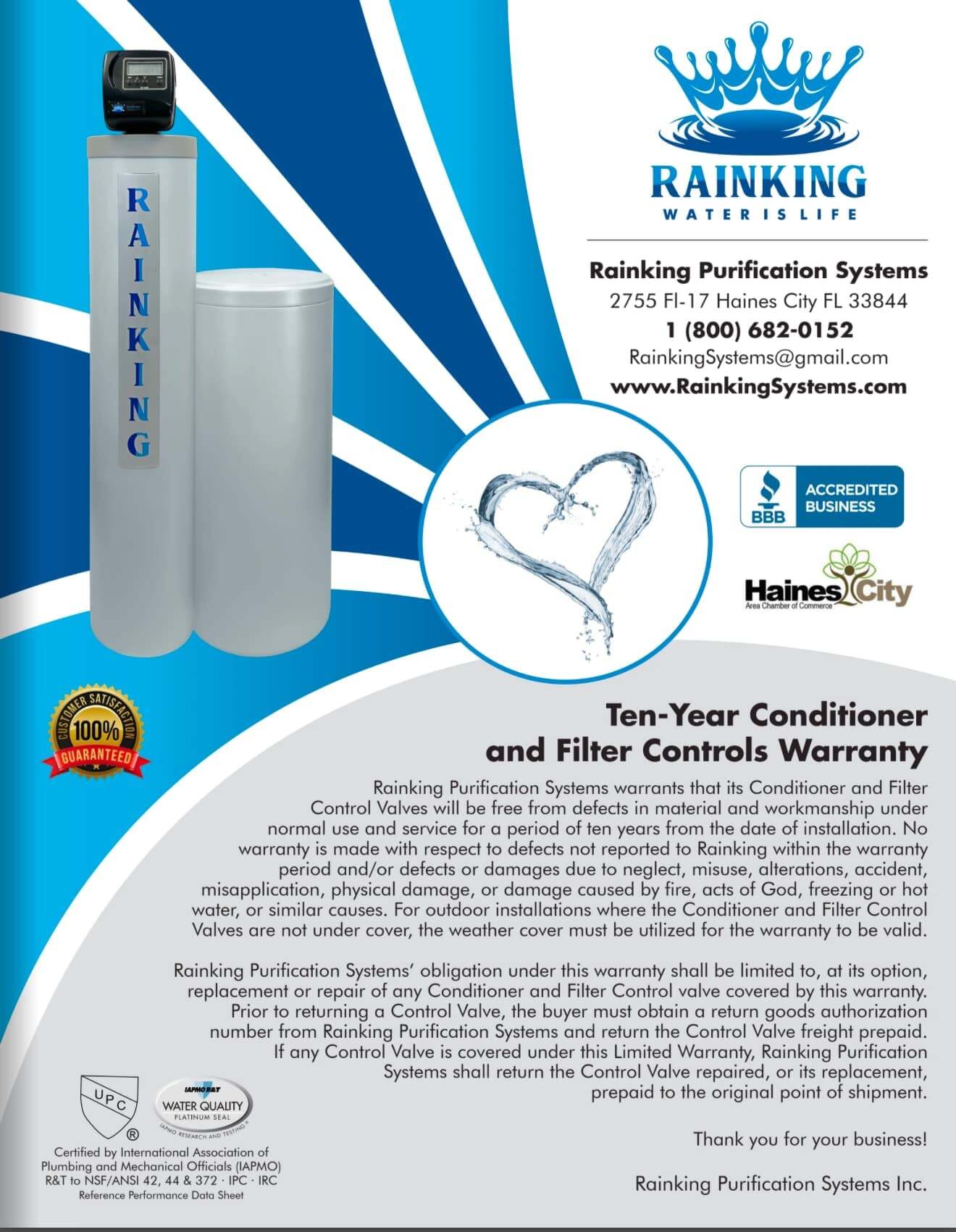
A salt free water softener is more accurately described as a salt free water conditioner or scale prevention system. Instead of using ion exchange resin and salt, this system uses a different media and physical process to treat hardness minerals such as calcium and magnesium.
Traditional softeners remove hardness from the water by exchanging those minerals for sodium or potassium. A salt free system does not remove hardness in that way. It treats the minerals so they are less likely to form hard, stubborn scale on surfaces.
In practical terms:
The water still contains hardness minerals.
Those minerals behave differently after treatment.
The goal is to reduce scale buildup, not to reach “zero hardness” on a lab test.
For many homeowners, the main concern is scale damage to plumbing, fixtures, and equipment, especially tankless water heaters. Salt free conditioning is designed to focus directly on that problem.
While the exact media and process depend on the specific product design, salt free water softeners generally work by changing the structure of hardness minerals in the water as it passes through the treatment tank.
In a typical system:
1. Hard water enters the tank.
2. As it flows through the media, hardness minerals are influenced by a physical process inside the tank.
3. This treatment is designed to make calcium and magnesium less likely to stick to surfaces and form hard crystalline scale.
4. Treated water leaves the tank and flows to the rest of the home.
Key points about salt free operation:
No salt bags to buy, store, or carry.
No brine tank, no regeneration cycles, and no salty wastewater.
No electricity required for most designs.
The system is focused on scale control rather than soft “silky” water feel.
Because of this, salt free systems are especially attractive where tankless water heater protection, low maintenance, and environmental considerations are a priority.
Being clear about expectations is important for performance and for trust.
If your main goal is scale prevention, tankless water heater protection, and low maintenance, a salt free system is a focused solution. If you are looking for very low hardness readings on a test, a traditional salt based softener may be a better match.
Homeowners searching “do salt free water softeners work” are usually trying to understand real world benefits, not just lab numbers. The main advantages of a properly sized and installed salt free system include:
Scale prevention
Designed to help reduce hard scale formation inside plumbing, fixtures, and heat exchangers. This can improve the long term reliability of your plumbing system.
Tankless water heater protection
Tankless heaters are especially vulnerable to mineral scale because of their high operating temperatures and small passageways. A salt free conditioner helps protect those surfaces so the unit can run more efficiently for longer.
Lower maintenance
No salt bags to buy or carry, no brine tank levels to check, and no regeneration cycles to set or monitor. The primary maintenance task is periodic media replacement according to the system’s design.
No added sodium in the water
Since there is no ion exchange with sodium, the treated water does not have added sodium from the softening process. This can be appealing for people who want to limit sodium intake from all sources.
Environmentally friendly operation
No brine discharge to sewer or septic, and no regeneration cycles sending salty wastewater to the drain. This is often important in areas with restrictions on softener discharge or where septic performance is a concern.
Compact footprint
Many salt free systems are simple, tank style designs that fit neatly near the main water line without requiring the extra space of a brine tank.
Tankless water heaters are an investment, and scale is one of their biggest enemies. Hardness minerals can deposit on internal heat exchangers, which:
A properly specified salt free water softener is designed to condition the water before it reaches the tankless heater. By reducing how aggressively hardness minerals stick to hot surfaces, the system can:
If you are searching specifically for a “salt free water softener for tankless water heater” or “scale prevention for tankless heaters,” this is the core problem the system is intended to address.
Both salt free and salt based softeners can be useful. They simply solve the problem in different ways. Salt Free Water Conditioner
Salt Based Water Softener
Which is better depends on your goals. If your primary concern is scale control and tankless water heater protection with minimal maintenance and no salt, a salt free system is often the better fit. If you want very low hardness numbers and a distinct soft water feel, a traditional salt based softener may be more appropriate.
A salt free system is worth serious consideration if:
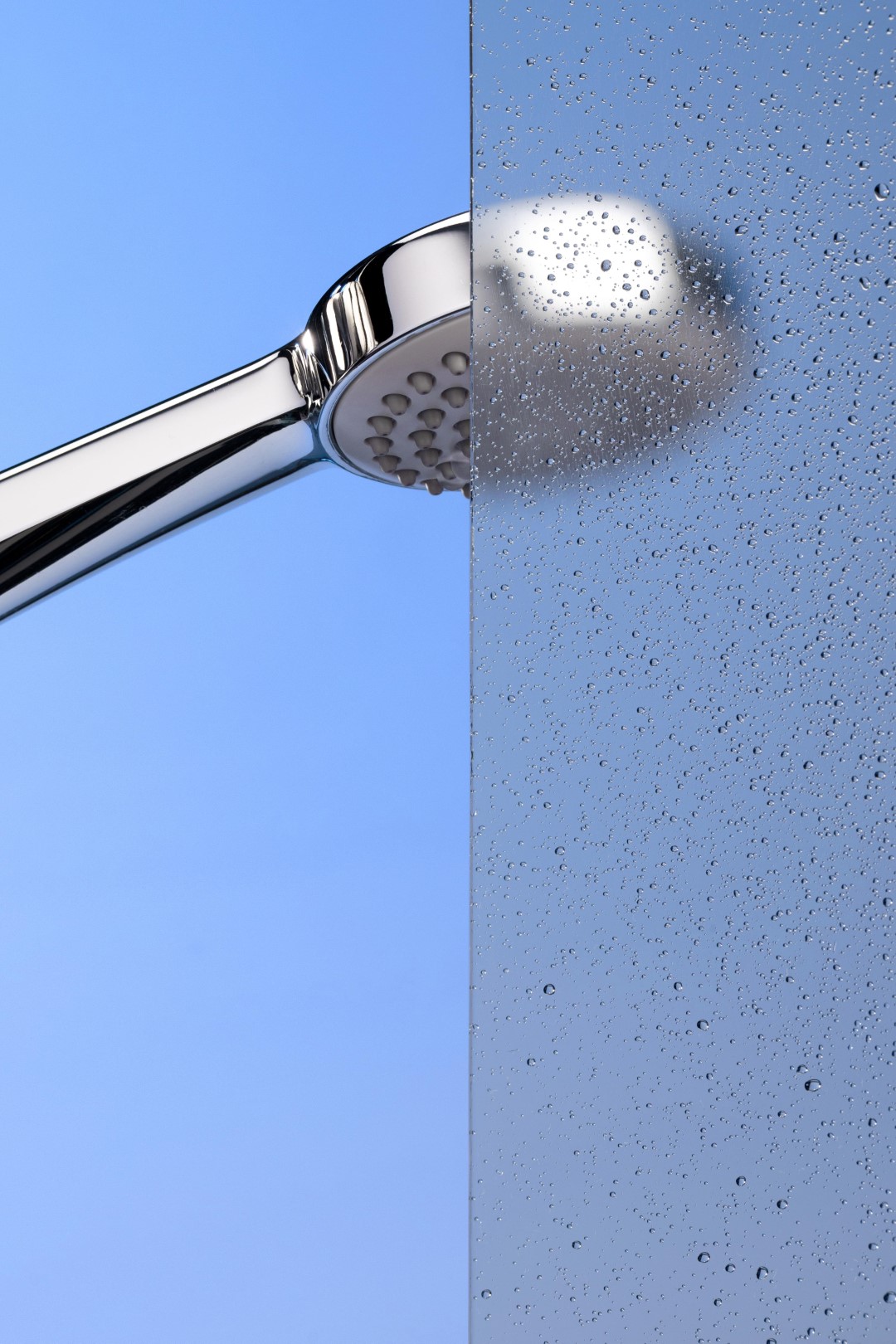
You are experiencing or want to prevent scale buildup on fixtures, shower glass, and appliances.
You have or are planning to install a tankless water heater.
You prefer not to handle salt bags or deal with a brine tank.
You want to avoid adding sodium to the household water.
Local regulations, septic concerns, or personal preferences make brine discharge undesirable.
However, there are limits. Extremely high hardness levels or specific water chemistry issues may require a different type of system or a combination of technologies. The best way to decide is to start with a professional water test and have a technician review your plumbing, water heater, and usage patterns.
Selecting a salt free water softener is not just about buying a tank and connecting it to the line. To perform properly, the system must be:
Rainking Systems specializes in water treatment for real world homes and businesses, including applications with multiple locations, installers, and complex plumbing layouts. That experience matters when the goal is long term protection of your plumbing and water using equipment, not just a quick equipment sale.
Protect your plumbing, fixtures, and tankless water heater from hard water scale with a salt free water softener designed for real world use.
Contact Rainking Systems today to schedule a water evaluation and see whether a salt free water conditioner is the right fit for your home.
With a completed water quality test.
We are committed to providing households across Central Florida with clean water at all times. When it comes to helping a customer choose a water filter, we evaluate their current needs as well as their budget before recommending one of our products.