Whole House RO Systems for Clean Water Everywhere
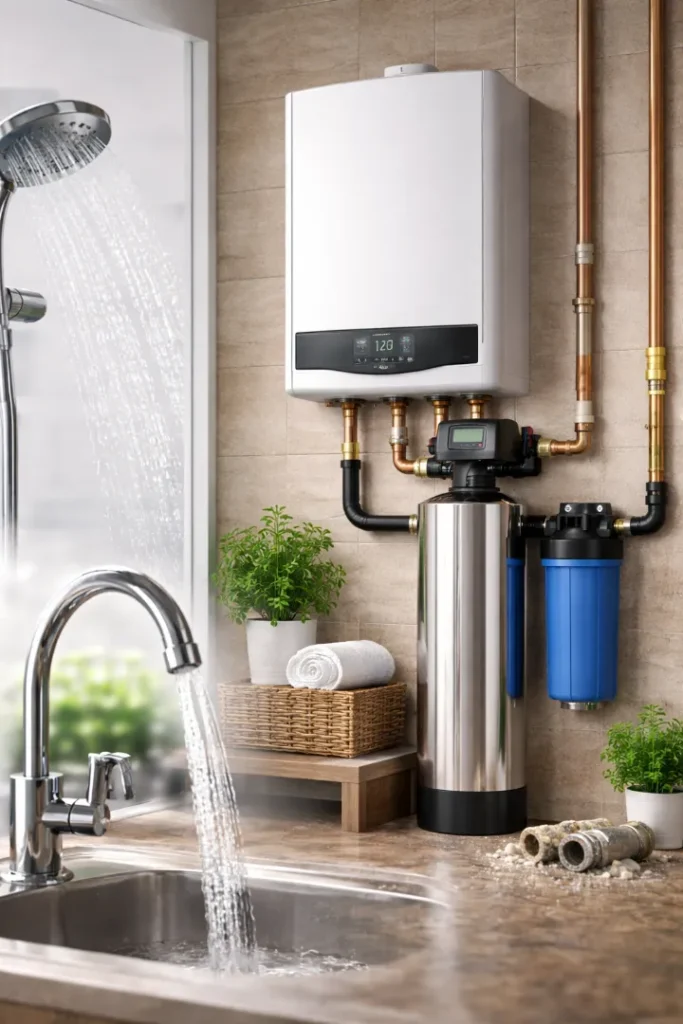
Whole House RO Systems: Complete Guide to Cleaner Water Whole house RO systems purify all water entering a home using multi-stage reverse osmosis filtration. These systems remove contaminants like heavy metals, fluoride, and bacteria before water reaches any faucet. Proper installation and ongoing maintenance are essential to ensure consistent water quality and reliable system performance. […]
Reverse Osmosis Filter Replacement for Clean Water
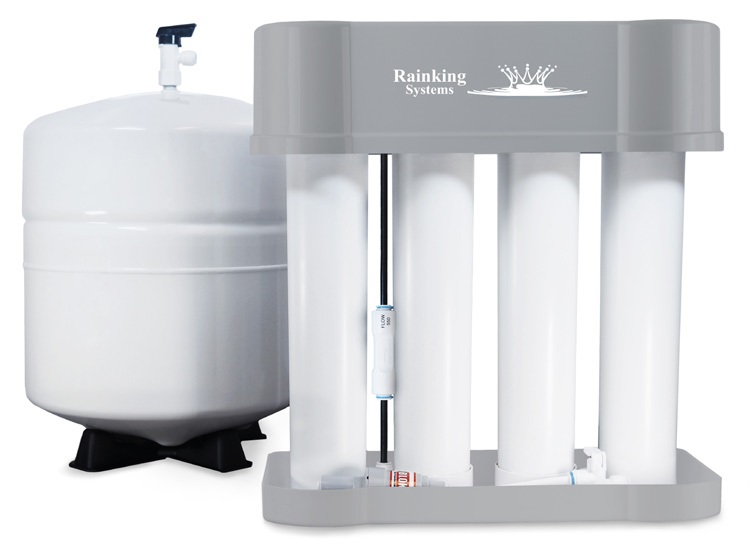
Reverse Osmosis Filter Replacement: Maintain Clean Water Reverse osmosis filter replacement keeps an RO system removing chlorine, sediment, and contaminants effectively. As filters clog over time, water flow and purification efficiency decline. Replacing RO filters on schedule restores clean water, protects the RO membrane, and prevents long-term system damage. This service is for homeowners using […]
The Ultimate Guide to Well Water Safety: Testing, Treatment, and Purification in 2026

Well water testing is the only reliable way to know what is in your water, because private wells are not monitored like city water. This guide explains what to test for, when DIY kits are enough, when you need professional lab analysis, and how to choose the right treatment, from softeners to reverse osmosis, based […]
City Water vs Well Water In Polk County: How Whole House Filtration Protects Your Home
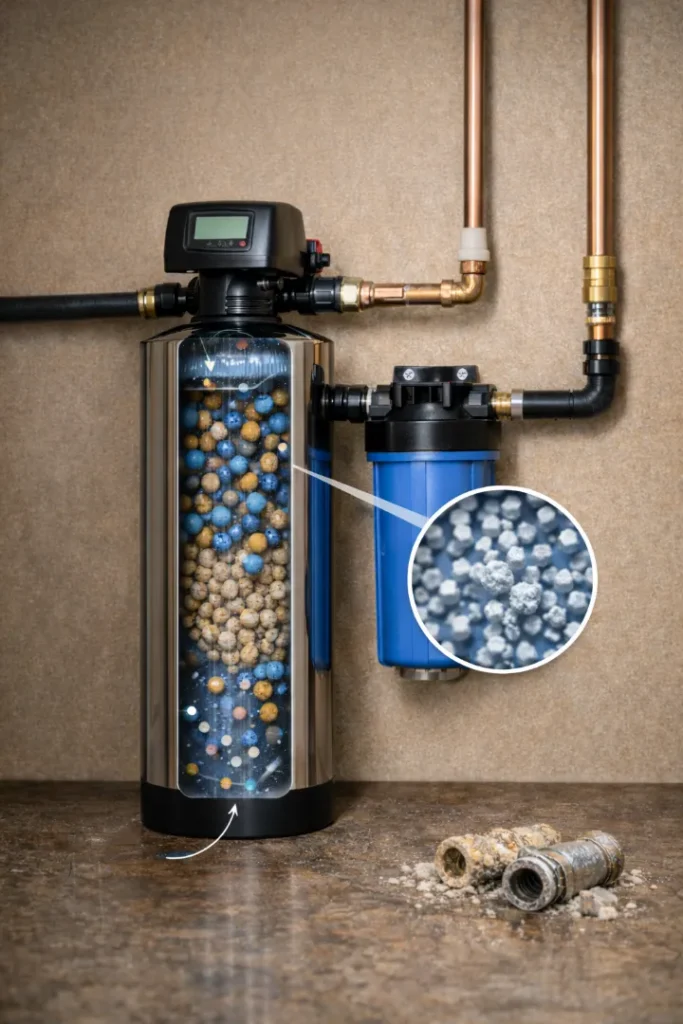
Well water treatment Haines City FL often looks different from treating city water, yet both types of water can benefit from whole house filtration that protects every tap. City water usually arrives with chlorine and hardness. Private wells are more likely to bring iron, sulfur odors, and sediment. Rainking Purification Systems in Haines City focuses […]
Hard Water In Central Florida: Signs You Need A Water Softener In Haines City
Water softener Haines City FL is a common search for Polk County homeowners who are tired of cloudy glasses, dry skin, and fixtures that never look clean. Those are classic signs of hard water, which is very common in Central Florida because local water flows through mineral rich limestone. Hard water itself is usually safe […]
Water Filters: The Essential Tool for Emergency Preparedness

In today’s uncertain world, it’s more important than ever to be prepared for emergencies. Whether it’s a natural disaster or a global crisis, having the necessary tools and supplies can make all the difference in keeping you and your loved ones safe.
The Water Revolution: Unveiling the Future of Filtration Technology
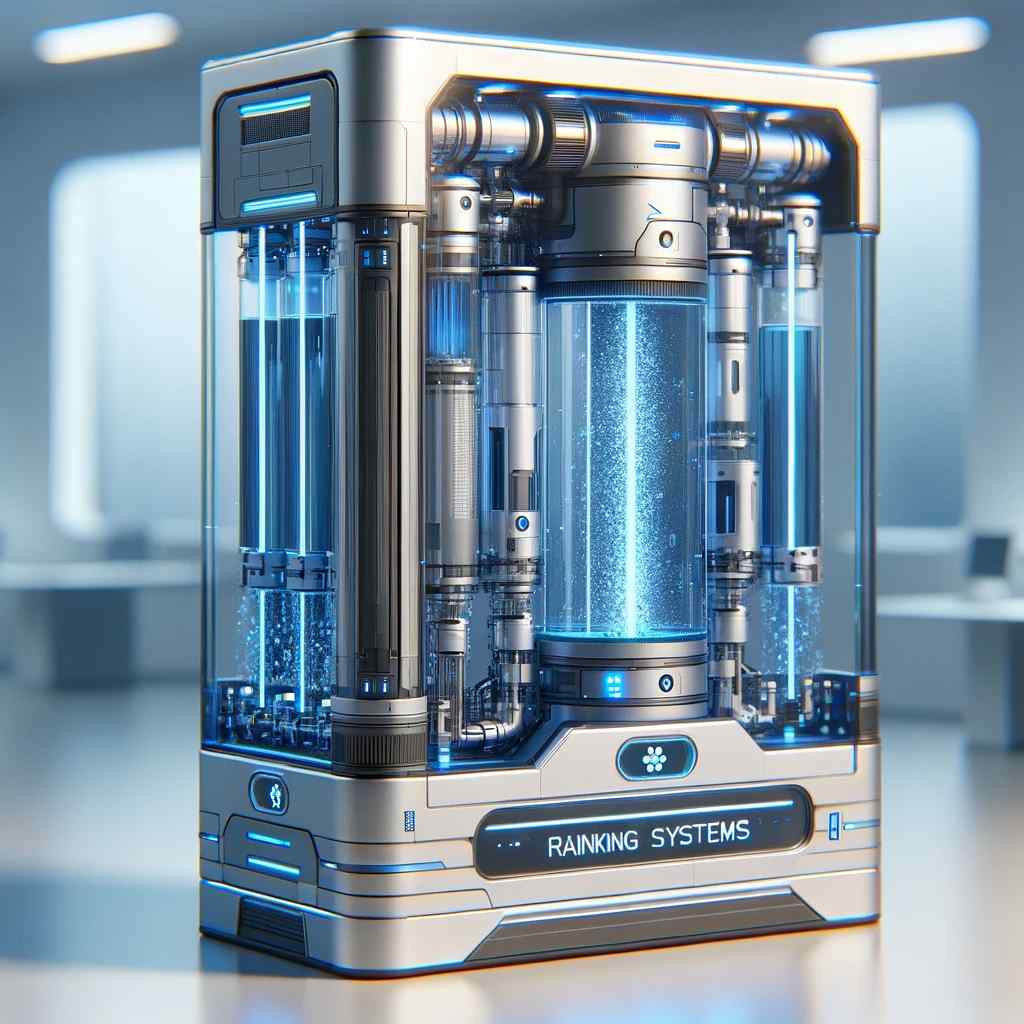
In a world where clean and safe drinking water is becoming increasingly scarce, the need for innovative filtration technology has never been more pressing.
Is Soft Water a Garden’s Delight
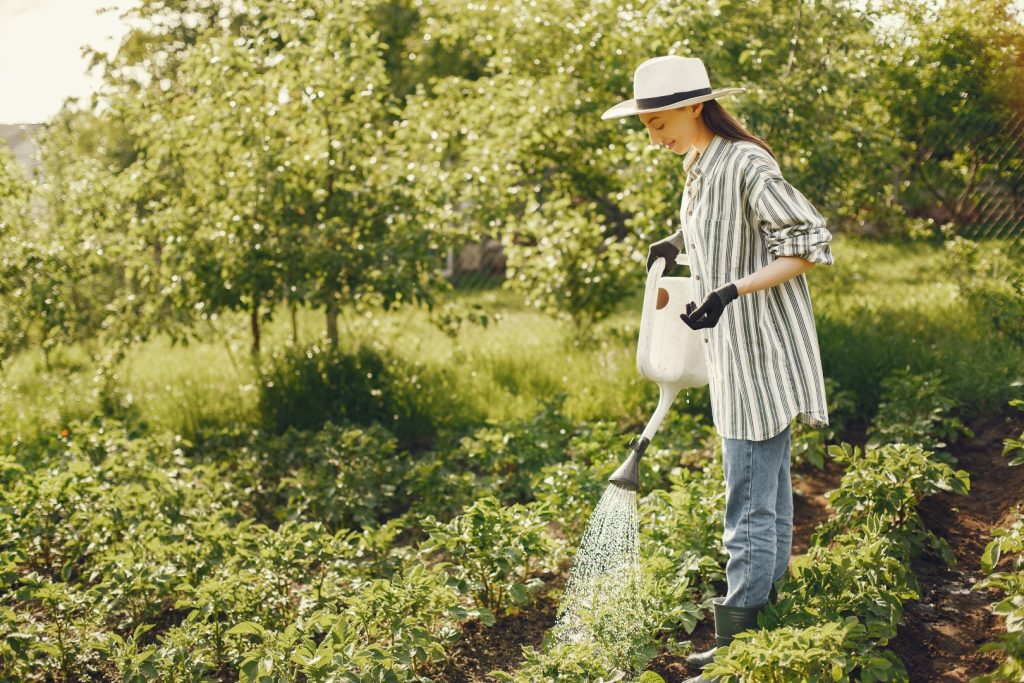
Soft Water and Plants: Is softened water good for your garden?
When it comes to maintaining a beautiful and thriving garden, there are many factors to consider – from providing adequate sunlight and soil nutrients to managing pests and weeds. But have you ever wondered about the impact of water quality on your plants’ health and growth? Specifically, what does soft water mean for your garden?
Water is crucial for plant survival, as it provides hydration, delivers essential nutrients, and supports photosynthesis. However, not all water is created equal. Depending on where you live, your water supply may be either hard or soft. While hard water contains minerals like calcium and magnesium, soft water has undergone a process to remove these minerals, resulting in a lower mineral content. But does soft water hold any benefits or potential drawbacks for your garden?
Before we dive into the fascinating relationship between soft water and plants, let’s first understand what soft water actually is. Soft water is typically achieved through a process called water softening, which involves the removal of excess minerals, such as calcium and magnesium ions, through ion exchange. This process helps reduce the buildup of limescale and soap scum in our pipes and appliances, making it easier to clean and promoting longer lifespan for our household items. However, the impact of soft water on plants is a completely different story.
Contrary to what you might expect, watering your garden with softened water may not always be the best choice for optimal plant health. Soft water lacks the beneficial minerals found in hard water, which can have important implications for your plants’ overall well-being. As we explore the relationship between soft water and gardens further, we will delve into the potential advantages and disadvantages of using softened water for plant irrigation. So, if you want to discover whether soft water is truly a garden’s delight or if there are hidden pitfalls to be aware of, keep reading to uncover the fascinating truth about soft water and plants.
Unveiling the Magic: From Calcium to Sodium – How Water Softeners Work
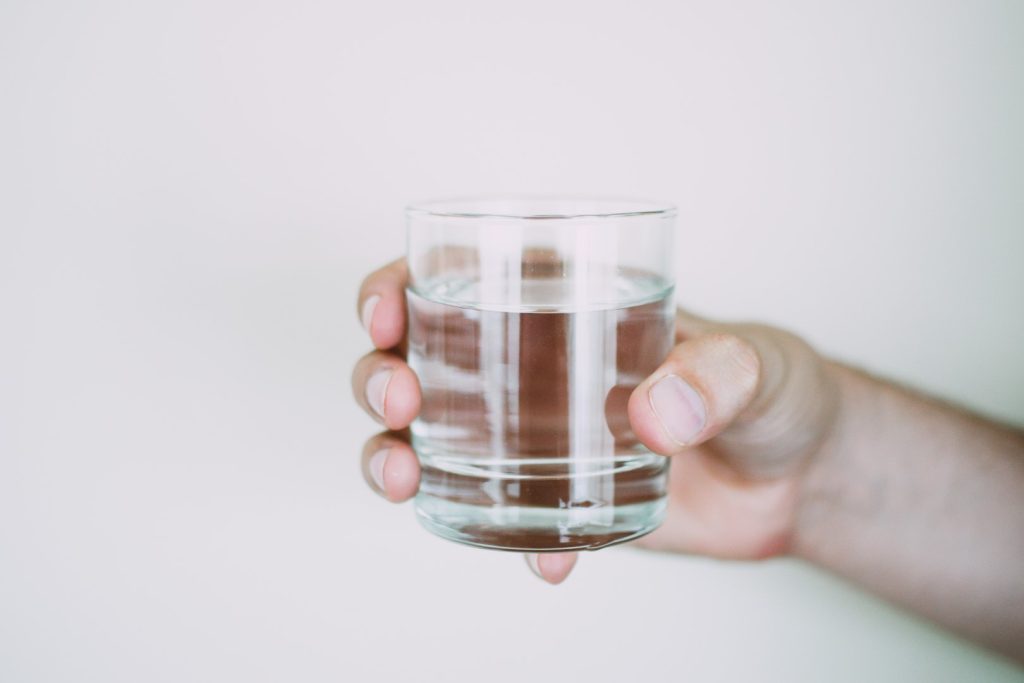
Have you ever wondered how water softeners work their magic, transforming hard water into soft and silky goodness? It’s a fascinating process that involves a little bit of chemistry, a touch of magic, and a whole lot of science. In this blog post, we will unravel the mystery behind water softeners and delve into the intricate journey from calcium to sodium.
Water softeners play a crucial role in improving the quality of our water, making it more pleasant to use and beneficial for our daily needs. But what exactly happens when hard water passes through these magical devices? How do they manage to remove those pesky minerals that cause limescale buildup and reduce soap’s effectiveness?
Get ready to embark on a captivating exploration of water softeners as we dive deep into the inner workings of these remarkable machines. From the moment hard water enters the softener, a series of ingenious steps are set in motion, ultimately leading to the removal of calcium and other mineral deposits, leaving you with gloriously soft water.
We’ll examine the different components of a water softener and explain how each one contributes to the overall process. Along the way, we’ll also reveal the extraordinary transformation from calcium to sodium, highlighting the key role it plays in water softening. So, whether you’re a chemistry enthusiast or simply curious about how your water is magically transformed, join us on this enchanting journey to uncover the secrets of water softeners.
“The Impact of Hard Water on Appliances and Plumbing: How a Water Softener Can Save You Money”
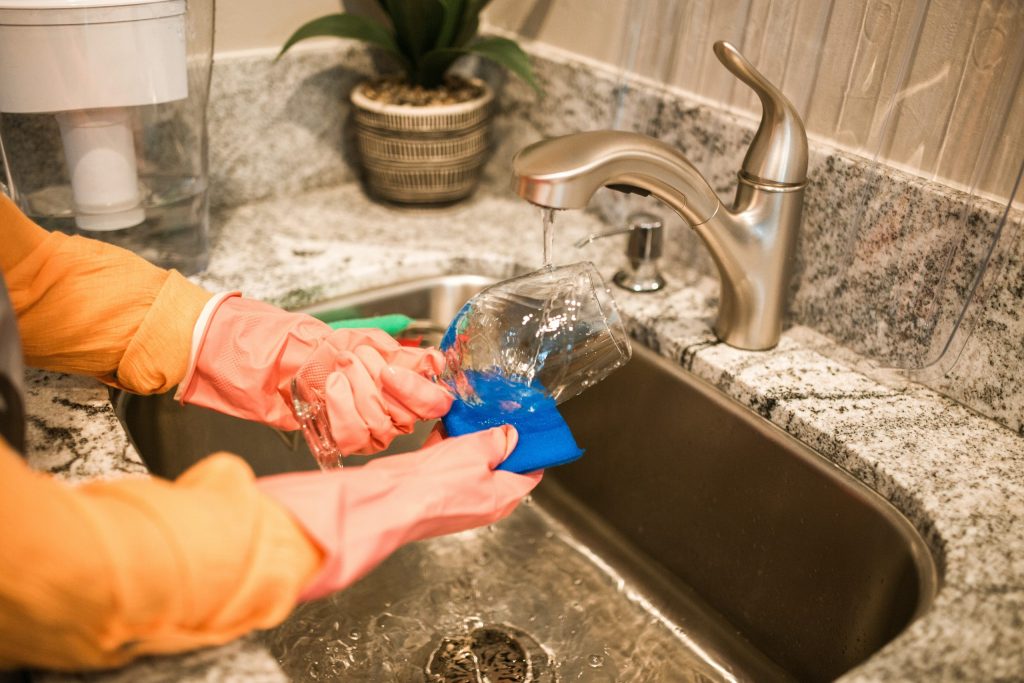
It’s something we take for granted: turning on the tap and having clean, drinkable water flow out. But have you ever stopped to think about the effects hard water – the water most commonly found in our homes – has on our plumbing and appliances? In the long run, not considering the impact of hard water can give you a nasty shock when it comes to your wallet. In this blog post, we’ll cover the damaging effects hard water can have on our plumbing systems and appliances, and how a water softener can help you save money, time and effort by protecting your home from its devastating effects.
Hard water is considered anything with a high mineral content, particularly calcium and magnesium. These minerals are picked up from the soil after the water has travelled through and are considered harmless for drinking. However, scale build-up from these minerals are known to clog pipes and affect the performance of appliances such as washing machines, dishwashers and water heaters, leading to premature or costly repairs. Not to mention the efficiency of the appliance is compromised with hard water, leading to higher energy bills.
But all is not lost! Keep reading to find out how a water softener could be the saving grace for your home’s plumbing system and appliances.