How to test well water depends on whether you are checking nuisance issues like hardness or verifying safety risks like bacteria, nitrates, and metals. DIY kits can be useful for basic indicators, but professional lab testing is the reliable option for health-related contaminants. This guide explains what each method covers and what to do next. Most well water mistakes happen at the testing stage. Homeowners either skip testing entirely, rely on a basic kit that cannot detect key risks, or accept a “free test” that only measures a narrow set of indicators. At Rainking Systems, we see the results: families spend money on the wrong equipment, or they feel false confidence because a limited test looked fine. The good news is that testing is straightforward when you know what you are trying to learn. This article breaks down DIY kits, free tests, and certified lab analysis, and it explains how to choose a test plan that matches your household, your property conditions, and your safety priorities.
Step One: Decide What You Are Testing For
Before choosing a test method, be clear about your goal.
Goal A: Fix nuisance problems
You are dealing with:
spots on dishes
scale buildup
staining
smell or taste issues
soap not lathering well
These often connect to hardness, iron, sulfur, sediment, or pH.
Goal B: Confirm safety and reduce health risk
You are concerned about:
bacteria
nitrates or nitrites
heavy metals
PFAS or other emerging contaminants
changes after flooding or nearby construction
These require a more rigorous testing method.
If you are not sure which goal applies, treat it like safety first. You can always add nuisance tests later.
Option 1: DIY Test Kits
DIY kits are popular because they are fast and inexpensive. They can be helpful, but only in the right lane.
What DIY kits can help with
Many kits can provide rough indicators for:
hardness
iron presence
pH
sometimes total dissolved solids
This can support early troubleshooting for nuisance problems.
Where DIY kits fall short
DIY kits often struggle with:
accurate bacteria sampling
precise nitrate measurement
heavy metals accuracy
any PFAS testing
chain-of-custody requirements
Also, user technique matters. Sampling time, clean containers, and handling can change results.
When DIY kits make sense
DIY kits are most useful when:
you want a quick read on hardness and nuisance issues
you are planning to confirm with lab testing anyway
you are tracking a known issue over time, with lab confirmation periodically
If your goal is “is this water safe,” DIY kits should not be your only method.
Option 2: The “Free Test” That Comes With a Sales Pitch
A free test can be helpful, but it is important to understand what it usually is.
What free tests typically check
Many free tests focus on:
hardness
iron
sometimes pH or basic indicators
These are often chosen because they connect directly to equipment recommendations.
What free tests typically do not check
Free tests often do not include:
certified bacteria analysis
nitrates and nitrites with lab precision
metals like arsenic or lead with verified thresholds
PFAS analysis
a lab report you can bring to a doctor or regulatory agency if needed
The free test trap
The trap is not the free test itself. The trap is assuming it is a complete safety test. If your household includes infants, elderly family members, or anyone with health vulnerabilities, do not rely on a limited test.
Option 3: Professional Lab Analysis
Lab testing is the most reliable option for safety. It is the method designed to catch contaminants that are invisible.
What lab testing can cover
A well-planned lab panel can include:
coliform bacteria and other microbes as appropriate
nitrates and nitrites
heavy metals
additional items based on local risk factors, property history, and regional concerns
Why lab testing is more trustworthy
Lab testing is built around:
controlled sampling procedures
verified instrumentation
documented handling
standardized reporting
In practical terms, it gives you a report you can make decisions from.
“Where Can I Get My Water Tested?”
Homeowners often ask this and feel stuck. Common options include:
local certified environmental labs
some county health resources or referrals
water treatment providers that coordinate lab sampling and interpretation
The most important factor is not the brand name. It is whether the lab is certified for the tests you need and whether sampling is done correctly.
How to Choose the Right Test Panel
A smart panel is tailored. The best panel for your neighbor may not be best for you.
Consider:
age of the home and plumbing materials
proximity to agriculture or septic systems
recent flooding or storm events
known local groundwater concerns
changes in taste, odor, staining, or clarity
whether infants or high-risk household members are present
A professional can help you choose the panel without overspending.
What to Do After You Get Results
This is where homeowners either overreact or underreact.
If results show nuisance issues
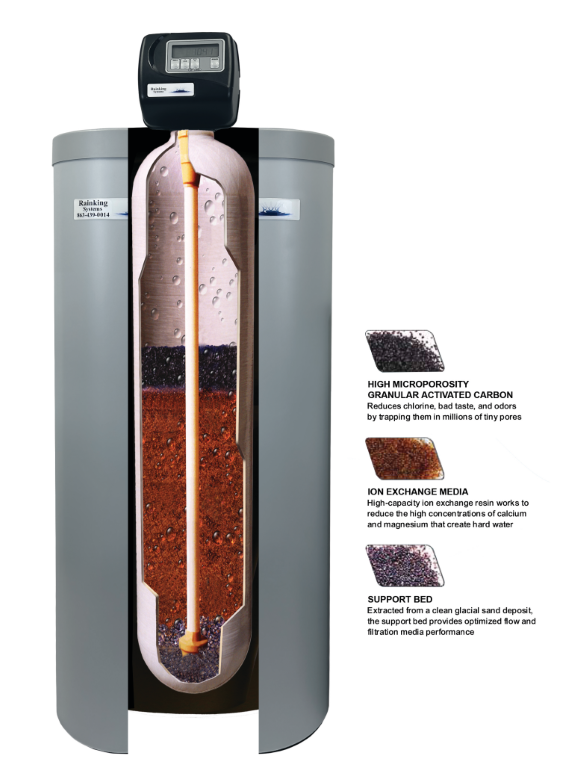
Hardness, iron, sediment, or sulfur are often solved with whole-house equipment:
softeners
sediment filtration
media filtration designed for the specific issue
If results show safety issues
Bacteria, nitrates, or metals require targeted treatment and retesting. The plan may include:
disinfection strategies
source protection steps
reverse osmosis for drinking water
other targeted systems based on results
The key is verification. Treat, then test again to confirm performance.
The Simple Rule: Test First, Treat Second
Many homeowners buy equipment first because it feels productive. It is also the fastest way to waste money. Testing gives you clarity and keeps your treatment plan focused.
Internal link: Unsure what you need? Start with our Comprehensive Safety Guide: The Ultimate Guide to Well Water Safety: Testing, Treatment, and Purification in 2026 (hub page).
Why Choose Rainking Systems
Help selecting the right lab tests for your property
Clear interpretation so your results turn into an actionable plan
Whole-house and drinking-water solutions built around test data
Follow-up guidance so you can verify results after treatment
Three Core Services
Well water test planning and lab coordination
Whole-house filtration and water softeners
Reverse osmosis systems for drinking water
Contact us today: Schedule a well water testing consultation.